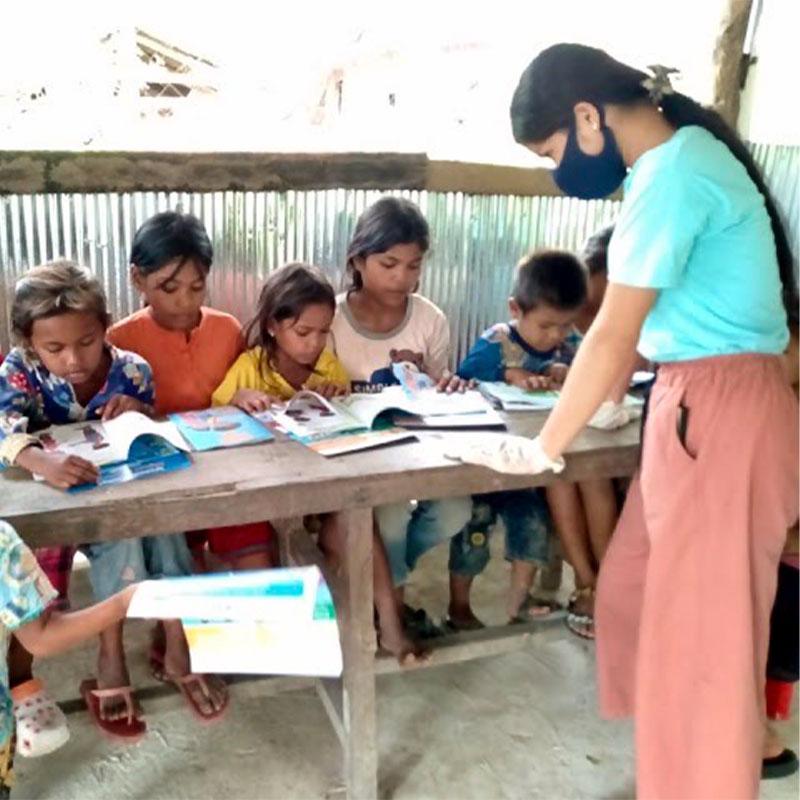
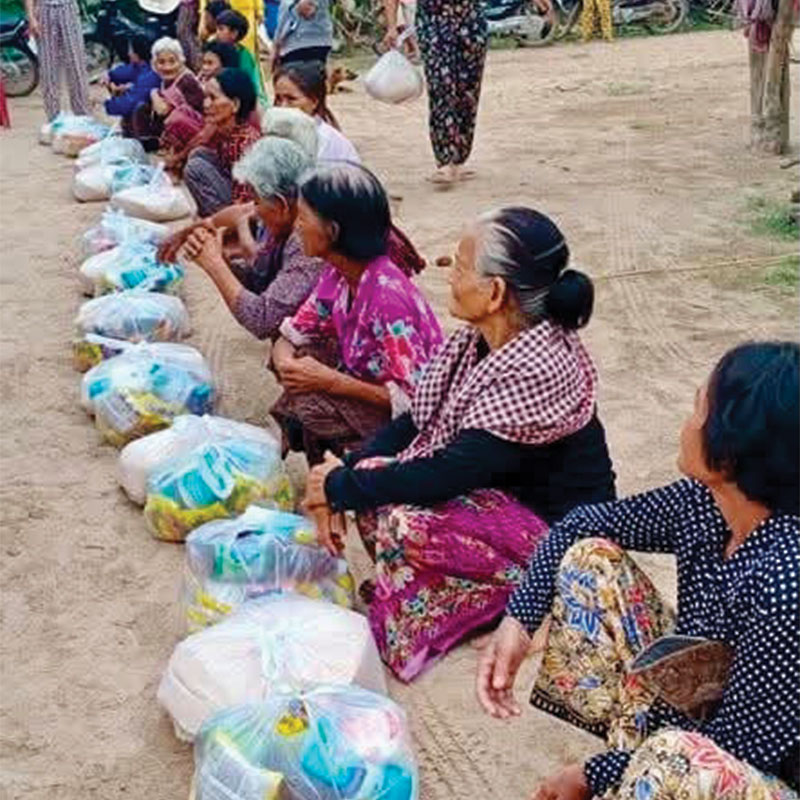
The Asian mind is much closer to the Hebrew mind than to the Greek or Western mind. Things… and people… are not easily dissected into independent parts. The unique importance of the spiritual realm is unquestioned in the Reach ministry. But we were created in the image of God; the whole of us, not just our spirits. As the parable of the Good Samaritan illustrates, the Gospel whose essence is love cannot “pass by on the other side of the road” where a brother or sister in Christ lays robbed, beaten and bleeding. Although the needs are obviously beyond Reach, a ministry in a developing country cannot stop short of a commitment to making men and women whole in Christ.
God is eternally biased in favor of the weak, the oppressed and the helpless. The theological terms for this are justice and grace. In practice, the strong and ruthless claw their way upward socially and economically. The common terms for this are greed, self-interest and pride. It is all the more difficult to have a godly attitude toward the poor where there are so many, many poor. Ministering among them is difficult, costly and frustrating. The Reach commitment to the poor does not curtail our ministry to others, but it helps us walk as Jesus walked. If He did it and said it, it’s right.
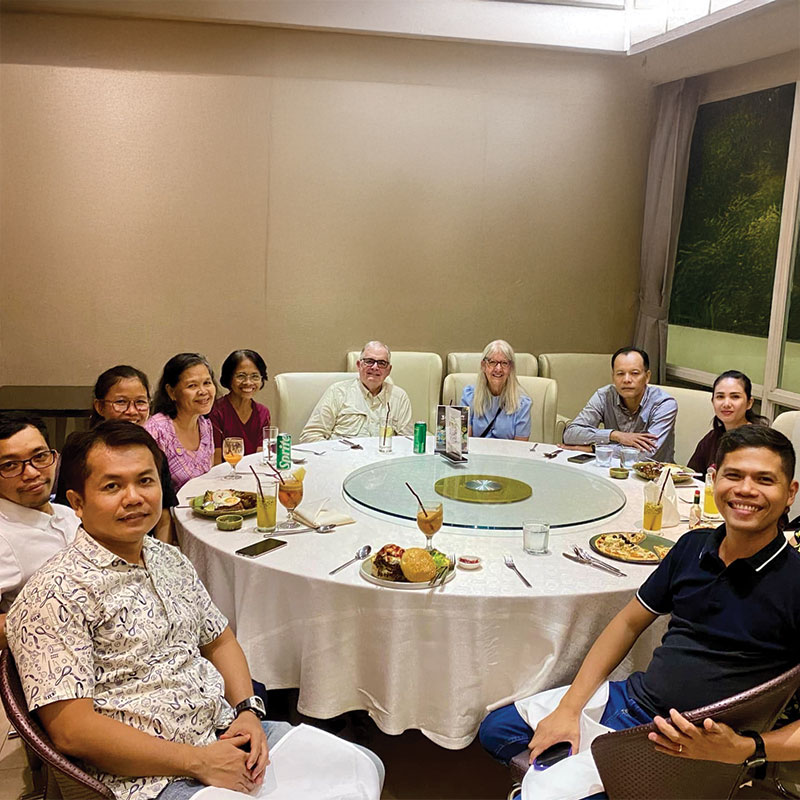
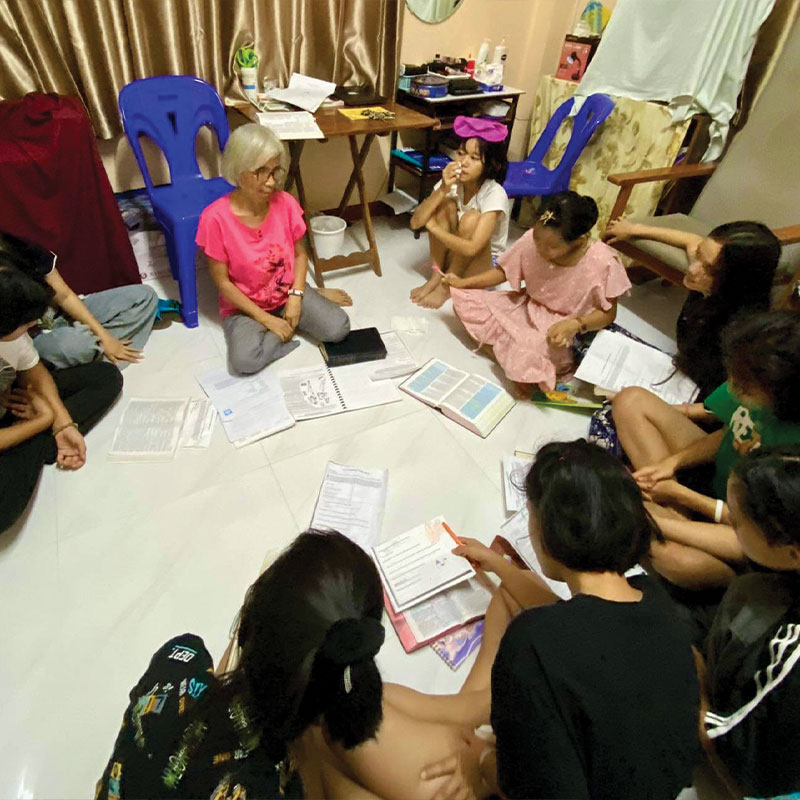
Leadership in any culture is a complex phenomenon. But where there has been a climate of dependency, subservience, and economic survival, the “fulltime Christian worker” scheme is a crippling burden. Most Reach ministry staff are self supporting disciplemakers. They are sufficiently dedicated and gifted to produce and lead substantial ministries. An equally important leadership pattern is a strong “family spirit” and mutual support. Also essential are consensus-forming leadership and shared responsibility. This is in contrast to the Western sense of individualistic responsibility and achievement.